The Ultimate Guide to Ebicycles: Revolutionizing Your Commute
In today’s world, where sustainability meets innovation, ebicycles (electric bicycles) are taking the lead in transforming urban transportation. This comprehensive guide delves into the benefits, types, and maintenance of ebicycles, helping you navigate this exciting landscape.
What is an Ebicycle?
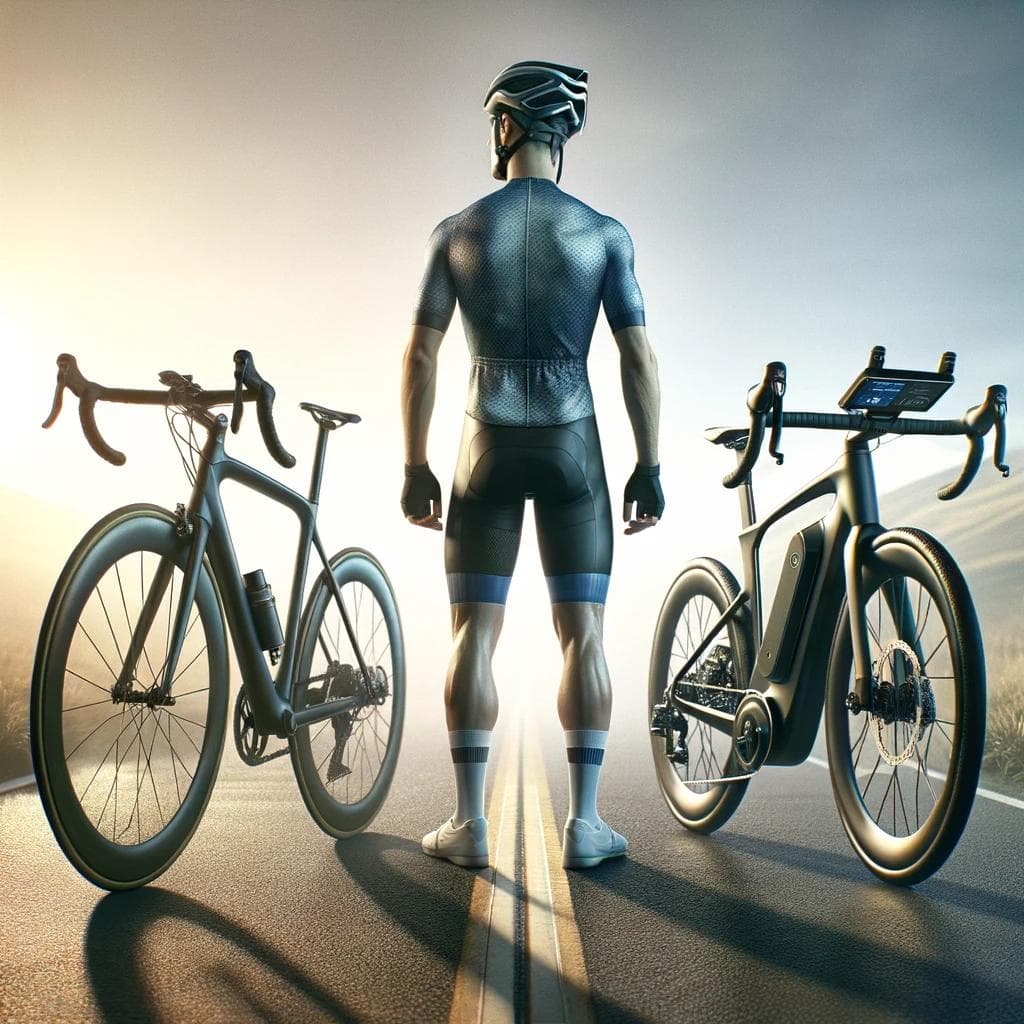
An ebicycle, or electric bicycle, is a bicycle equipped with an electric motor to assist with pedaling. Unlike scooters or motorcycles, ebikes maintain the ability to pedal manually, making them a perfect blend of conventional cycling and motor assistance.
Benefits of Ebicycles
1. Eco-Friendly Transportation
Ebicycles produce zero emissions, making them a sustainable choice compared to cars. By opting for an ebike, you contribute to reducing urban congestion and pollution.
2. Cost-Effective Commuting
With rising fuel prices, ebicycles offer a cost-effective alternative. You save on gas, parking fees, and even maintenance costs associated with traditional vehicles.
3. Health Benefits
Riding an ebike provides an excellent workout. You can adjust the level of assistance from the motor, allowing for a mix of casual riding and more vigorous exercise.
4. Accessibility and Inclusivity
Ebicycles make cycling accessible for various age groups and fitness levels. The motor assistance helps those with mobility issues or who may find traditional biking challenging.
Types of Ebicycles
1. City Ebicycles
Ideal for urban commuting, city ebicycles offer a comfortable ride with features like fenders and lights. They often come with a step-through frame for ease of mounting and dismounting.
2. Mountain Ebicycles
Designed for off-road adventures, mountain ebikes have robust tires and advanced suspension systems to handle rugged terrains. The electric assistance helps conquer challenging trails effortlessly.
3. Folding Ebicycles
Perfect for commuters short on space, folding ebikes can be easily stored in small apartments or transported on public transport. They combine portability with functionality.
4. Cargo Ebicycles
These are designed to carry heavy loads, making them ideal for families or businesses. Cargo ebikes can replace traditional delivery vehicles in urban environments.
Tips for Choosing the Right Ebicycle
When selecting an ebicycle, consider the following:
- Range: How far do you plan to ride on a single charge?
- Motor Power: A stronger motor translates to better performance on inclines.
- Battery Life: Evaluate the battery capacity and charging time.
- Style: Choose a style that suits your riding needs and aesthetics.
Maintenance Tips for Your Ebicycle
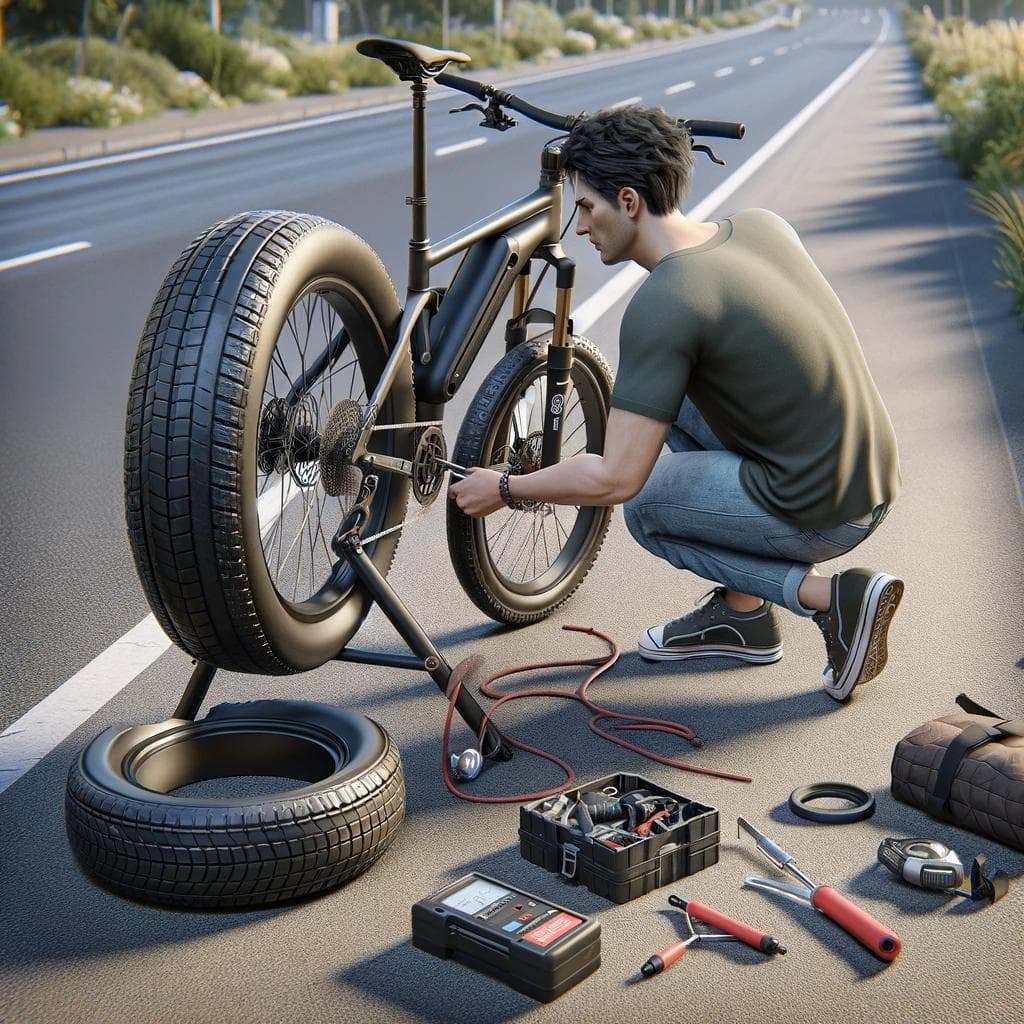
To ensure your ebike remains in top condition:
- Regularly Check Tire Pressure: Maintaining proper tire inflation is crucial for performance and safety.
- Clean and Lubricate the Chain: A well-lubricated chain enhances the bike's efficiency and longevity.
- Inspect the Brakes: Regular inspections can prevent accidents and maintenance issues.
- Battery Care: Follow manufacturer guidelines for charging and storage to prolong battery life.
Conclusion
Ebicycles are poised to revolutionize the way we think about commuting. With a growing range of options and undeniable benefits, now is the perfect time to consider making the switch to an ebike for your daily travels. Whether you’re looking to save money, reduce your carbon footprint, or simply enjoy the thrill of riding, an ebicycle can be your ultimate commuting solution.
FAQs
1. Are ebicycles legal everywhere?
Regulations vary by region. Always check local laws regarding ebike usage on roads or bike paths.
2. How much do ebicycles cost?
Prices range significantly based on type and features, generally starting from several hundred to several thousand dollars.
3. Do I need a license to ride an ebicycle?
Most areas do not require a license for ebicycles, but certain classes may have specific regulations.
For more information about ebicycles and to explore current models available on the market, check out our resources and reviews section.